Know how the human brain works in this detailed, human-written guide. Learn about neurons, memory, emotions, and brain health, explained clearly.
Our Brain In Daily Life
Humans’ every thought, their every emotion, movement, and feeling is the result of our melon-sized organ inside our head that’s called the brain. Interestingly, its size is small, but it consumes 20 percent of all our energy in nutrients. It controls everything in our body from heartbeat to sleeping and working.
In this article, you will understand how this powerful organ works inside our body.
Our Brain’s Major Parts
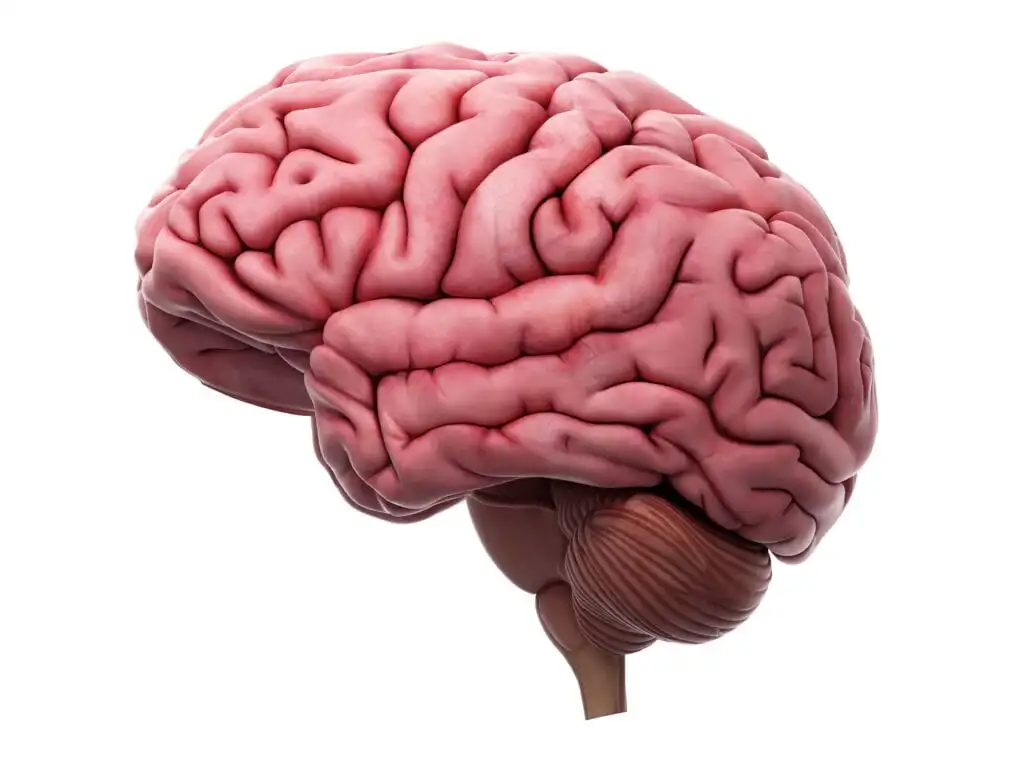
Our brain consists of three parts. These parts are the cerebrum, cerebellum, and brainstem. The cerebrum makes up almost 85 percent of a human. It contains double sides.
The left side’s main function is to provide rational thinking, and it also helps in daily language. While the right side helps humans to understand things and provide feelings and sense.
The cerebellum maintains smooth movement, like catching a ball and also in driving etc. One thing you must understand is that it doesn’t start movement in our body, just it maintains movement.
And the next is brainstem, it’s main function is to make a communication between brain and spinal cord. It controls involuntary actions that are happening in our body like breathing, staying warm. Also it maintains our sleep and waking up. The important point is that the cerebrum can’t do anything without brainstem.
So we can conclude that all these three sub organs work collectively to understand this complex universe.
Communication Between Brain cells
It’s important to know that the brain maintains its functions at a very small scale. There are almost 86 billion neurons in an adult human. Neurons are also known as nerve cells. Neurons are composed of mainly two parts; these are called dendrites and axons. Dendrites receive messages to other neurons while axons send messages to other neurons in the body.
Also there’s a small gap in between dendrites and axons called synapse.Therefore, in order for the signaling message that is being sent from one to the other to be received (that’s why neurotransmitters are often referred to as “chemical messengers”), the sending neuron must release chemical substances (known as neurotransmitters), which are generally referred to as “text messages” that are randomly thrown from one neuron to the next and then eventually received when the total amount of neurotransmitter messages received by the receiving neuron is enough to cause it to fire off its own electrical impulse and send a message on to the next one.
Surprisingly, this entire process is dealt with by our brain in nano seconds. Here are the examples of neurotransmitters that help to maintain our feelings, suggestions and emotions, i.e, serotonin, dopamine and cortisol. Chemical substances released from a variety of neurons cause us to form thoughts and/or respond in emotional ways and/or perform physical tasks when many of our neurons fire together in the same pattern either in a coordinated way or when many of the same neurons fire in an identical way, this occurs because the neurons are forming a “path” between each other through repetition (experiencing something repeatedly forms a connection or pathway between two neurons). The process of forming new pathways in our brain through repetition is commonly referred to as neuroplasticity.
Memory and Decision-making In Brain
Memory isn’t a solo thing that’s stored in this amazing organ. Actually, it’s a process of reconstruction. The human brain deals with three different types of memory. One of them is sensory memory, which lasts less than 3 seconds, for example, the sound of a door closing, or the feel of a cool or warm drop. Short-term memory remains almost less than half minute to 15 seconds. While long term memory contains two different flavors, one of them is called explicit memory, these are facts and events that can be described. While the other is implicit memories, these are different skills which obviously we can do with thinking.
In our brain, seahorse shape called the hippocampus acts as a house of memories, and our past emotions. And that is the root cause of embarrassing and negative moments. It feels very sad when we remember them. Forgetting things isn’t a drawback of the brain; the reason is that our brain deletes unused information and creates a space for important and new information that matters in our daily life. Another important part is the amygdala and it acts when the brain is dealing with emotions and decisions. It checks threats in milliseconds and gives a proper response to react.
When known things match the past experience it acts as normal, when it doesn’t match it creates sadness or confusion for us. This happens in every decision we make in our daily life.
How To Keep Brain Healthy
As you have read, the brain is important for the human body. It makes us human. That’s why it is important to take care of it. To keep our brain healthy we must have good food prescribed by a personal doctor. We visit the gym at least twice a week, it keeps our body fresh including the brain. Daily eating fresh fruits also maintains the health of our brain.
Daily physical activities in our body improves blood flow in the body. Small veins are important for brain function, and when we do a physical activity our blood rushes to these veins which is a mega benefit for the brain.
Social connection is also very important for brain health. When we regularly interact with our friends and family, it lowers the dilemma risk, which is a fatal disease for the brain.
Quality sleep is also important for brain health. Daily sleeping of 7 to 9 hours is recommended to brain health. Sleep clears metabolic wastes in our body and it’s a blessing for our brain.