For ten years the artificial intelligence revolution has been something we mostly see on a computer screen. It has done well in the digital world of computers. It can write things, make new software look at a lot of information and create really cool pictures.. Something big is changing now. Artificial intelligence is moving from the computer screen into the world where we live.
This change, which is called Physical Artificial Intelligence, is when computers and machines work together. It is a change from machines just following rules to machines that can adapt and learn. Machines are not just looking at information, they are learning to understand things, think about them, and do things on their own in the world where people live. Artificial intelligence is becoming a part of the world, not just the digital world. The idea of Physical Artificial Intelligence is that artificial intelligence is moving into the world of things, not just computers.
What is Physical AI?
Traditional robotics is about following strict rules. You have a factory arm that is programmed to move to positions, pick up a certain part and put it down. If that part is turned a little bit or replaced with something similar the robot will not work. This is because it cannot see or adjust to changes.
Physical AI is different. It puts kinds of artificial intelligence like the ones used in advanced chatbots directly into the robot’s hardware. These artificial intelligence models can understand space and how things work in the world. By combining what the robot sees with what it does, Physical AI helps machines understand things, like gravity, friction and how things move in three dimensions. This means Physical AI robots can figure things out as they go, which is really helpful.
The Technological Catalysts Driving the Breakthrough
The transition of Physical AI from an experimental laboratory concept to a deployable industrial reality is being accelerated by three critical technological breakthroughs.
1. Multimodal Vision-Language-Action (VLA) Models
The true brain upgrade for modern robotics comes from Vision-Language-Action (VLA) models. Unlike text-only models, VLAs can take in a visual scene (RGB and depth camera feeds), interpret a natural language command (e.g., “Sort the damaged apples into the red bin”), and directly output precise motor-torque commands for the robot’s limbs.
Furthermore, advancements in cross-embodiment learning mean that a single AI policy can be trained on data from various types of robots and still successfully control an entirely new machine.
2. High-Fidelity Simulation and Synthetic Data
Collecting data around the world is really expensive and takes a long time. A robot arm has to move and this makes it wear down and sometimes break. To get around this problem companies are using simulation platforms like NVIDIA Omniverse, which uses OpenUSD standards.
Developers can run simulations at the same time and these simulations look very real and are accurate. This helps generate a lot of synthetic training data for the robot. The robot can learn how to move around a warehouse or learn how to pick up things in a complicated way thousands of times in a virtual world. This all happens before the robot’s software is put into a robot body. NVIDIA Omniverse and simulation platforms like it are very helpful for this. The robot can learn things like navigating a warehouse or mastering a complex grip many times, in a virtual environment before it is used in the real world with a physical body.
3. Advanced Sensory and Actuation Hardware
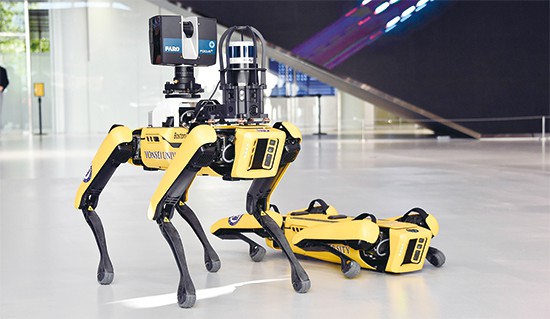
Robots are getting better at feeling things like humans do. The new robots have equipment, like sensors that can feel tiny movements, LiDAR and special skins or gloves that can feel things. When robots have to touch things a lot like when they’re putting in a small computer chip or handling a fragile apple, they can feel how hard they are touching it. This helps the robot to change how hard it is touching things so it does not break them. It can be very precise. Robots are using this to do things that need a lot of care like handling things, and it is working very well for them.
Key Industries Being Reshaped
Physical AI is transitioning into production across several high-stakes industries, fundamentally changing how we approach physical labor.
| Industry | Primary Application | Key Operational Benefit |
| Manufacturing | Adaptive assembly, custom welding, and automated quality control. | Transition from rigid production lines to flexible, high-mix manufacturing. |
| Logistics & Warehousing | Autonomous Mobile Robots (AMRs) for fluid parcel sorting and dynamic route planning. | Optimization of supply chains and reduction of human ergonomic strain. |
| Agriculture | Autonomous weeding, crop health monitoring, and selective harvesting. | Precision farming that minimizes chemical use and addresses severe labor shortages. |
| Healthcare & Eldercare | General logistics, patient transfer assistance, and ambient emergency detection. | Alleviation of nurse burnout, allowing staff to focus on critical clinical care. |
The Humanoid Robot Race
The best example of Physical AI is the development of robots that look like people. These robots are made to fit into the world we have built for humans with things like stairs, doors, and tools that we use every day. We are starting to see these robots move out of presentations and into real factories. The Tesla Optimus robot is an example of this. It uses the technology that Tesla used to make its self-driving cars and it was made possible by the large scale of Tesla’s manufacturing. At the time companies like Universal Robots were making platforms that allowed other people’s AI models to work with their robots. This means that robots can work next to people without needing to be behind a special cage. Physical AI technology is making it possible for robots, like the Tesla Optimus robot to work safely with humans.
Real-World Challenges and the Road Ahead
Despite this monumental progress, widespread adoption faces real-world hurdles that the industry must solve:
- The Cost of Edge Computing: Running neural networks in real time needs a lot of computer power. Robots need to have computer chips that use power but can still do a lot of things so they can react fast without using up all the power in their batteries. Robots need these computer chips to work well and not run out of battery power too fast.
- The Threat of “Physical Hallucinations”: When a digital chatbot makes a mistake, it just gives a line of text. When a physical AI system gets it wrong, it can cause real problems. For example, it can damage property or break machinery. This can even create safety risks for workers nearby. The chatbot error is a text mistake but AI system errors have real-life consequences. Workers and equipment are at risk if the AI system misinterprets its surroundings. So while chatbot errors are annoying AI system errors can be more serious.
- Cybersecurity and Fleet Vulnerabilities: When lots of machines that can work on their own are connected to the cloud so they can keep learning and work together they create ways for people to hack into them. The important thing to do is to make sure the connection between the software updates that happen online and the physical things that the machines do is really secure. This is because machines that can work on their own, like these need to be protected from cyber attacks. Securing machines that can work on their own is a deal.
Conclusion: A Human-Centric Future
The rise of Physical AI is not about replacing people who work. It is about changing the way they work. The World Economic Forum has some ideas about what will happen with robots in ten years and it will be a lot about people and machines working together.
When we give machines jobs that’re dangerous, boring or hurt our bodies, people can do more important work like managing teams, making systems better and finding new solutions to problems. Physical AI and robots are working together and this is changing the way we think about technology and what it can do for us. It is making us more productive than before.